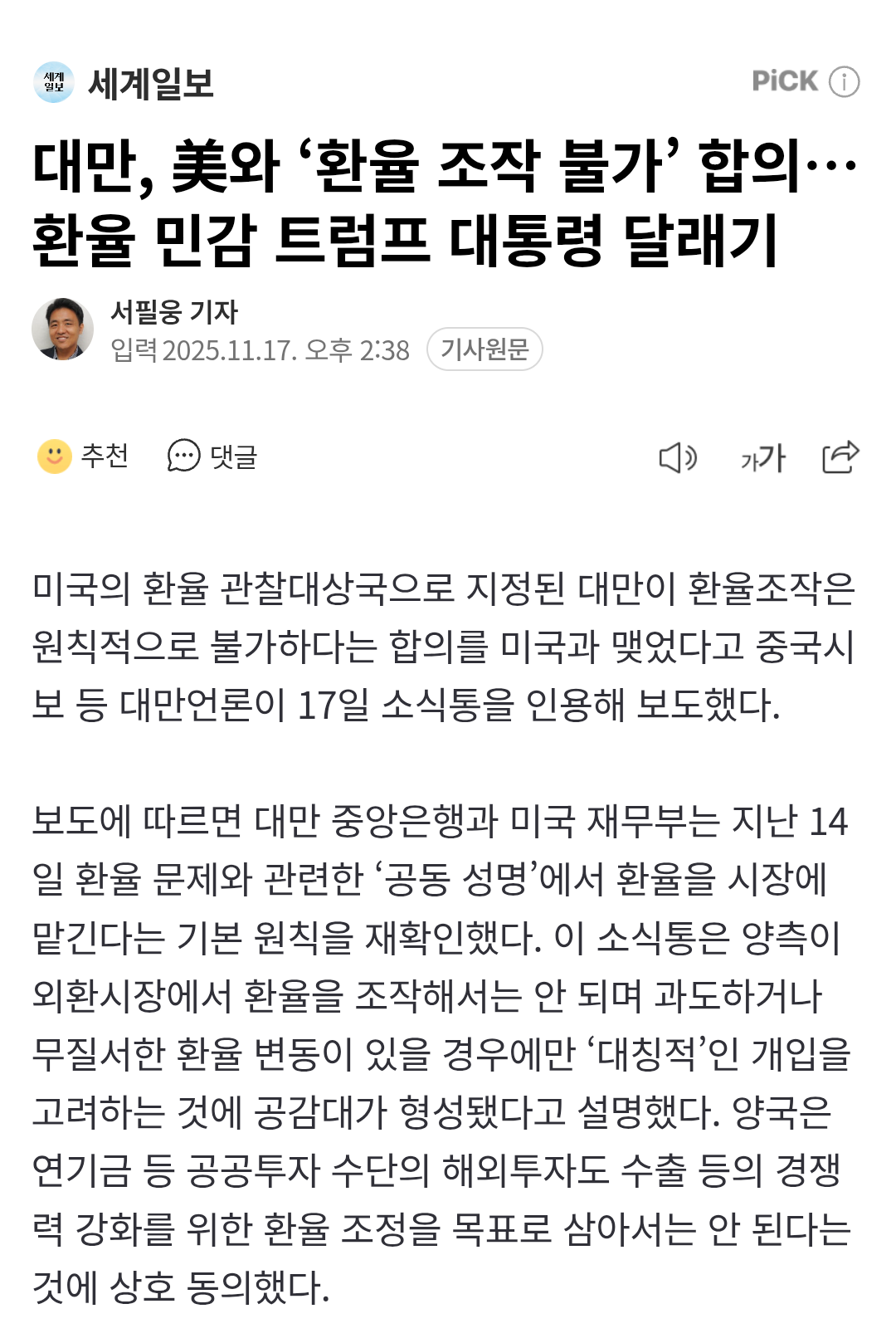
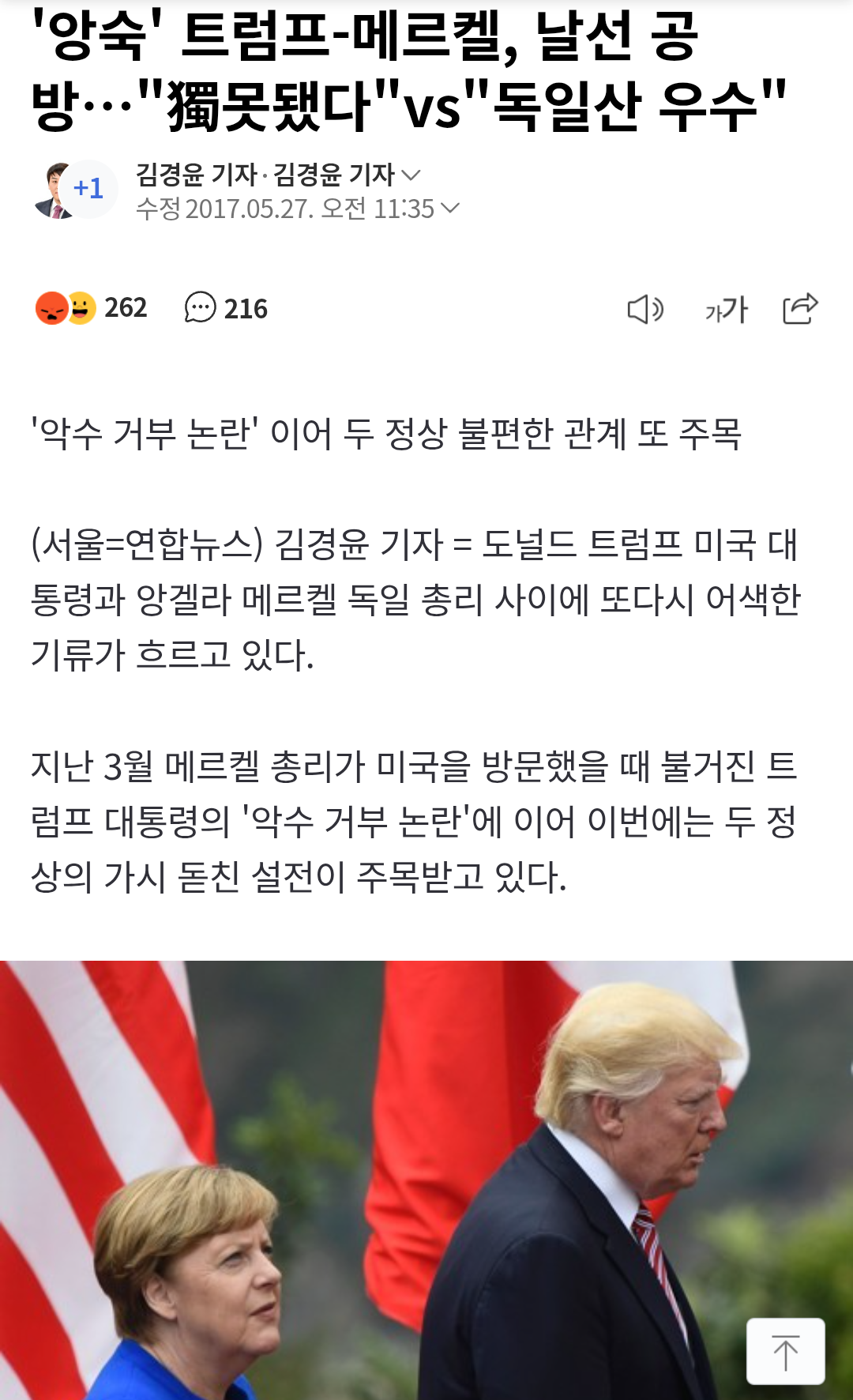
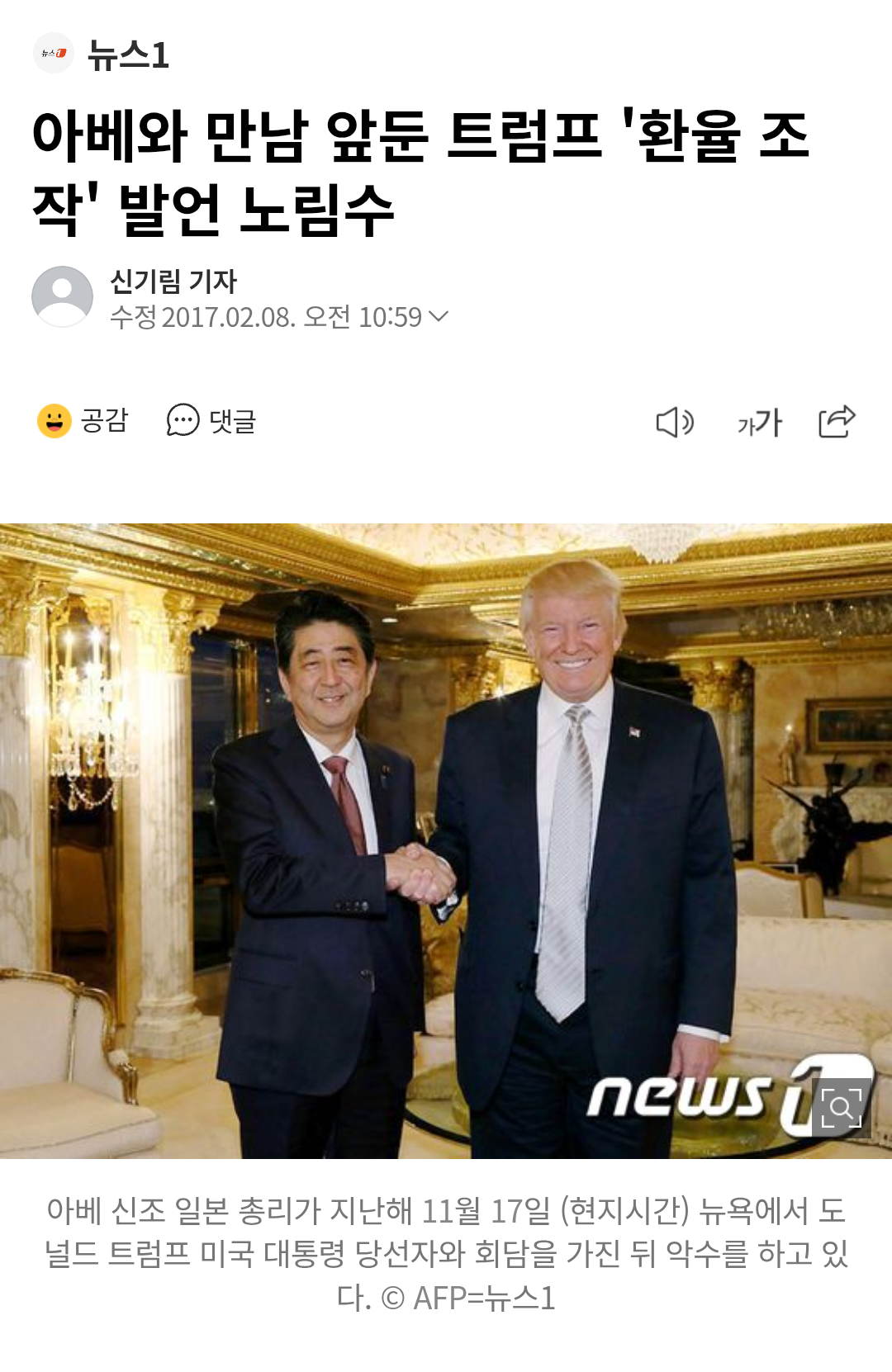
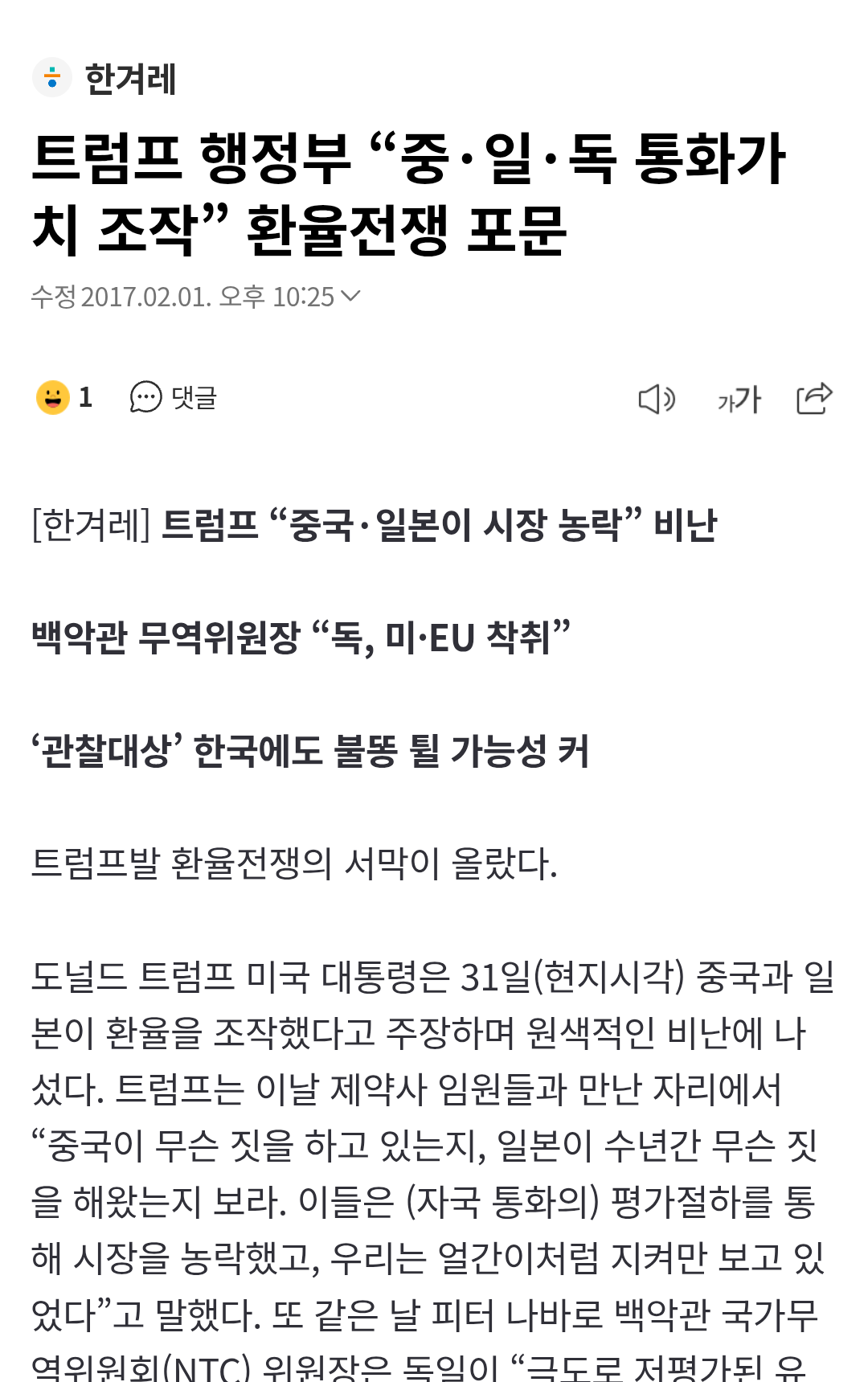
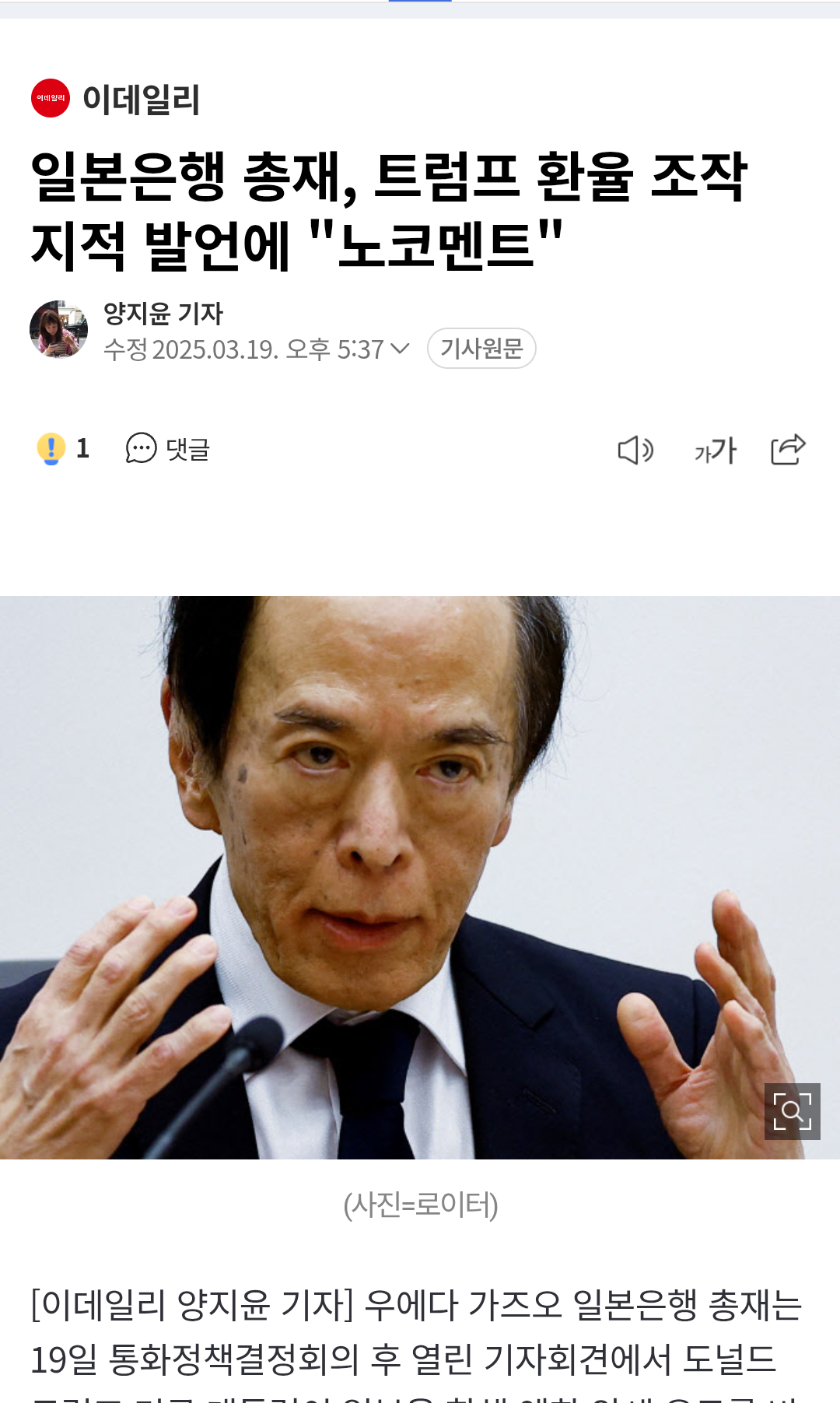
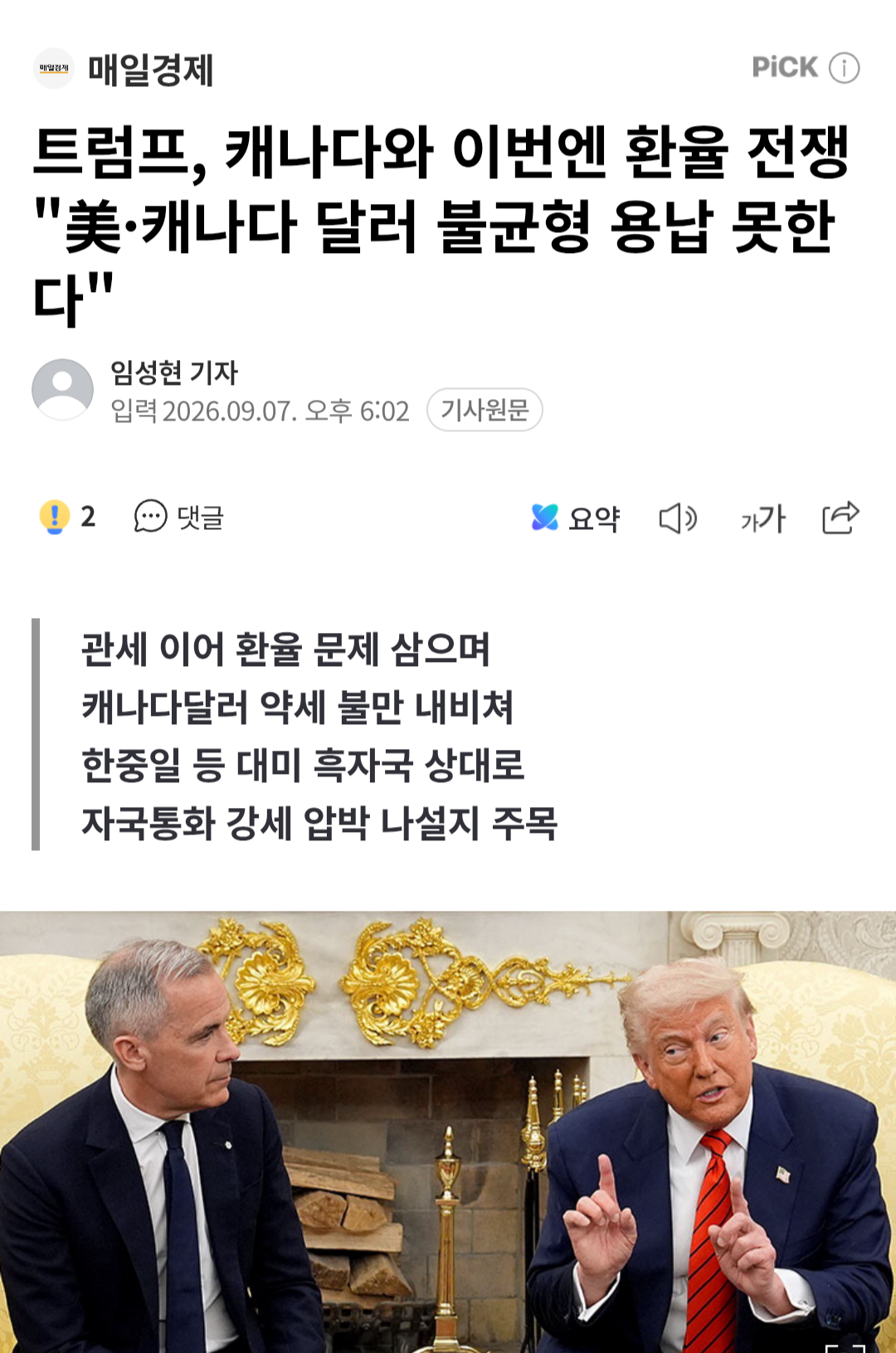
잘사는 제3 국가가 달러를 발행함(모나코, 리히텐슈타인, 룩셈부르크, 아일랜드, 스위스) -> 달러의 가치가 낮아짐 -> 미국의 수출 경쟁력이 증가함 -> 미국 경제는 활황으로 감 -> 그러나 수출국가 (일본, 대만, 한국, 중국, 독일)는 열심히 일해 번 달러가 휴지조각이 되기 때문에 어쩔수 없이 열심히 번 달러의 가치를 유지 하기위해 자국 화폐를 찍어내 달러:자국화 비율을 유지 하려함 -> 그러나 미국은 수출국가(일본, 대만, 한국, 중국, 독일)가 의도적으로 화폐 가치를 낮추어 미국 상품의 수출 경쟁력이 떨어진다라 불평함-> 미국은 다시 수출 경쟁력을 유지 하기 위해 달러 가치를 절하 하려 함-> 잘사는 제3 국가가 달러를 발행함(모나코, 리히텐슈타인, 룩셈부르크, 아일랜드, 스위스) -> 달러의 가치가 낮아짐 -> 미국의 수출 경쟁력이 증가함 -> 미국 경제는 활황으로 감 -> 그러나 수출국가 (일본, 대만, 한국, 중국, 독일)는 열심히 일해 번 달러가 휴지조각이 되기 때문에 어쩔수 없이 열심히 번 달러의 가치를 유지 하기위해 자국 화폐를 찍어내 달러:자국화 비율을 유지 하려함 -> 그러나 미국은 수출국가(일본, 대만, 한국, 중국, 독일)가 의도적으로 화폐 가치를 낮추어 미국 상품의 수출 경쟁력이 떨어진다라 불평함-> 미국은 다시 수출 경쟁력을 유지 하기 위해 달러 가치를 절하 하려 함-> 잘사는 제3 국가가 달러를 발행함(모나코, 리히텐슈타인, 룩셈부르크, 아일랜드, 스위스) -> 달러의 가치가 낮아짐 -> 미국의 수출 경쟁력이 증가함 -> 미국 경제는 활황으로 감 -> 그러나 수출국가 (일본, 대만, 한국, 중국, 독일)는 열심히 일해 번 달러가 휴지조각이 되기 때문에 어쩔수 없이 열심히 번 달러의 가치를 유지 하기위해 자국 화폐를 찍어내 달러:자국화 비율을 유지 하려함 -> 그러나 미국은 수출국가(일본, 대만, 한국, 중국, 독일)가 의도적으로 화폐 가치를 낮추어 미국 상품의 수출 경쟁력이 떨어진다라 불평함-> 미국은 다시 수출 경쟁력을 유지 하기 위해 달러 가치를 절 하려 함-> 잘사는 제3 국가가 달러를 발행함(모나코, 리히텐슈타인, 룩셈부르크, 아일랜드, 스위스) -> 달러의 가치가 낮아짐 -> 미국의 수출 경쟁력이 증가함 -> 미국 경제는 활황으로 감 -> 그러나 수출국가 (일본, 대만, 한국, 중국, 독일)는 열심히 일해 번 달러가 휴지조각이 되기 때문에 어쩔수 없이 열심히 번 달러의 가치를 유지 하기위해 자국 화폐를 찍어내 달러:자국화 비율을 유지 하려함 -> 그러나 미국은 수출국가(일본, 대만, 한국, 중국, 독일)가 의도적으로 화폐 가치를 낮추어 미국 상품의 수출 경쟁력이 떨어진다라 불평함-> 미국은 다시 수출 경쟁력을 유지 하기 위해 달러 가치를 절하 하려 함-> 잘사는 제3 국가가 달러를 발행함(모나코, 리히텐슈타인, 룩셈부르크, 아일랜드, 스위스) -> 달러의 가치가 낮아짐 -> 미국의 수출 경쟁력이 증가함 -> 미국 경제는 활황으로 감 -> 그러나 수출국가 (일본, 대만, 한국, 중국, 독일)는 열심히 일해 번 달러가 휴지조각이 되기 때문에 어쩔수 없이 열심히 번 달러의 가치를 유지 하기위해 자국 화폐를 찍어내 달러:자국화 비율을 유지 하려함 -> 그러나 미국은 수출국가(일본, 대만, 한국, 중국, 독일)가 의도적으로 화폐 가치를 낮추어 미국 상품의 수출 경쟁력이 떨어진다라 불평함-> 미국은 다시 수출 경쟁력을 유지 하기 위해 달러 가치를 절하 하려 함-> 잘사는 제3 국가가 달러를 발행함(모나코, 리히텐슈타인, 룩셈부르크, 아일랜드, 스위스) -> 달러의 가치가 낮아짐 -> 미국의 수출 경쟁력이 증가함 -> 미국 경제는 활황으로 감 -> 그러나 수출국가 (일본, 대만, 한국, 중국, 독일)는 열심히 일해 번 달러가 휴지조각이 되기 때문에 어쩔수 없이 열심히 번 달러의 가치를 유지 하기위해 자국 화폐를 찍어내 달러:자국화 비율을 유지 하려함 -> 그러나 미국은 수출국가(일본, 대만, 한국, 중국, 독일)가 의도적으로 화폐 가치를 낮추어 미국 상품의 수출 경쟁력이 떨어진다라 불평함-> 미국은 다시 수출 경쟁력을 유지 하기 위해 달러 가치를 절하 하려 함-> 잘사는 제3 국가가 달러를 발행함(모나코, 리히텐슈타인, 룩셈부르크, 아일랜드, 스위스) -> 달러의 가치가 낮아짐 -> 미국의 수출 경쟁력이 증가함 -> 미국 경제는 활황으로 감 -> 그러나 수출국가 (일본, 대만, 한국, 중국, 독일)는 열심히 일해 번 달러가 휴지조각이 되기 때문에 어쩔수 없이 열심히 번 달러의 가치를 유지 하기위해 자국 화폐를 찍어내 달러:자국화 비율을 유지 하려함 -> 그러나 미국은 수출국가(일본, 대만, 한국, 중국, 독일)가 의도적으로 화폐 가치를 낮추어 미국 상품의 수출 경쟁력이 떨어진다라 불평함-> 미국은 다시 수출 경쟁력을 유지 하기 위해 달러 가치를 절하 하려 함-> 잘사는 제3 국가가 달러를 발행함(모나코, 리히텐슈타인, 룩셈부르크, 아일랜드, 스위스) -> 달러의 가치가 낮아짐 -> 미국의 수출 경쟁력이 증가함 -> 미국 경제는 활황으로 감 -> 그러나 수출국가 (일본, 대만, 한국, 중국, 독일)는 열심히 일해 번 달러가 휴지조각이 되기 때문에 어쩔수 없이 열심히 번 달러의 가치를 유지 하기위해 자국 화폐를 찍어내 달러:자국화 비율을 유지 하려함 -> 그러나 미국은 수출국가(일본, 대만, 한국, 중국, 독일)가 의도적으로 화폐 가치를 낮추어 미국 상품의 수출 경쟁력이 떨어진다라 불평함-> 미국은 다시 수출 경쟁력을 유지 하기 위해 달러 가치를 절하 하려 함-> 잘사는 제3 국가가 달러를 발행함(모나코, 리히텐슈타인, 룩셈부르크, 아일랜드, 스위스) -> 달러의 가치가 낮아짐 -> 미국의 수출 경쟁력이 증가함 -> 미국 경제는 활황으로 감 -> 그러나 수출국가 (일본, 대만, 한국, 중국, 독일)는 열심히 일해 번 달러가 휴지조각이 되기 때문에 어쩔수 없이 열심히 번 달러의 가치를 유지 하기위해 자국 화폐를 찍어내 달러:자국화 비율을 유지 하려함 -> 그러나 미국은 수출국가(일본, 대만, 한국, 중국, 독일)가 의도적으로 화폐 가치를 낮추어 미국 상품의 수출 경쟁력이 떨어진다라 불평함-> 미국은 다시 수출 경쟁력을 유지 하기 위해 달러 가치를 절하 하려 함-> 잘사는 제3 국가가 달러를 발행함(모나코, 리히텐슈타인, 룩셈부르크, 아일랜드, 스위스) -> 달러의 가치가 낮아짐 -> 미국의 수출 경쟁력이 증가함 -> 미국 경제는 활황으로 감 -> 그러나 수출국가 (일본, 대만, 한국, 중국, 독일)는 열심히 일해 번 달러가 휴지조각이 되기 때문에 어쩔수 없이 열심히 번 달러의 가치를 유지 하기위해 자국 화폐를 찍어내 달러:자국화 비율을 유지 하려함 -> 그러나 미국은 수출국가(일본, 대만, 한국, 중국, 독일)가 의도적으로 화폐 가치를 낮추어 미국 상품의 수출 경쟁력이 떨어진다라 불평함-> 미국은 다시 수출 경쟁력을 유지 하기 위해 달러 가치를 절하 하려 함-> 잘사는 제3 국가가 달러를 발행함(모나코, 리히텐슈타인, 룩셈부르크, 아일랜드, 스위스) -> 달러의 가치가 낮아짐 -> 미국의 수출 경쟁력이 증가함 -> 미국 경제는 활황으로 감 -> 그러나 수출국가 (일본, 대만, 한국, 중국, 독일)는 열심히 일해 번 달러가 휴지조각이 되기 때문에 어쩔수 없이 열심히 번 달러의 가치를 유지 하기위해 자국 화폐를 찍어내 달러:자국화 비율을 유지 하려함 -> 그러나 미국은 수출국가(일본, 대만, 한국, 중국, 독일)가 의도적으로 화폐 가치를 낮추어 미국 상품의 수출 경쟁력이 떨어진다라 불평함-> 미국은 다시 수출 경쟁력을 유지 하기 위해 달러 가치를 절하 하려 함-> 무한반복 -> 민중의 돈이 증발함-> 개돼지 새끼들은 부동산 가격이 증가한다 기뻐함 -> 후손들은 그 부모의 부동산에 월세를 살게 됨 -> 전세계 국민들의 노예
The Chain of Dollar Issuance
Wealthy third-party nations issue dollars (Monaco, Liechtenstein, Luxembourg, Ireland, Switzerland) -> The value of the dollar drops -> U.S. export competitiveness rises -> The U
.S. economy booms -> However, exporting nations (Japan, Taiwan, South Korea, China, Germany)—facing the risk that the dollars they worked hard to earn might become worthless—are compelled to print their own currencies to maintain the dollar-to-local-currency exchange ratio -> Yet, the U.S. complains that these exporting nations are intentionally devaluing their currencies, thereby undermining the export competitiveness of U.S. goods -> The U.S. then seeks to devalue the dollar to regain its export competitiveness -> Wealthy third-party nations issue dollars (Monaco, Liechtenstein, Luxembourg, Ireland, Switzerland) -> The value of the dollar drops -> U.S. export competitiveness rises -> The U.S. economy booms -> However, exporting nations (Japan, Taiwan, South Korea, China, Germany)—facing the risk that the dollars they worked hard to earn might become worthless—are compelled to print their own currencies to maintain the dollar-to-local-currency exchange ratio -> Yet, the U.S. complains that these exporting nations are intentionally devaluing their currencies, thereby undermining the export competitiveness of U.S. goods -> The U.S. then seeks to devalue the dollar to regain its export competitiveness -> Wealthy third-party nations issue dollars (Monaco, Liechtenstein, Luxembourg, Ireland, Switzerland) -> The value of the dollar drops -> U.S. export competitiveness rises -> The U.S. economy booms -> However, exporting nations (Japan, Taiwan, South Korea, China, Germany)—facing the risk that the dollars they worked hard to earn... Because the dollar is becoming worthless, countries are forced to print their own currency to maintain the value of their hard-earned dollars and keep the dollar-to-domestic ratio stable. -> However, the U.S. complains that exporting nations (Japan, Taiwan, Korea, China, Germany) are intentionally lowering their currency values, causing a decline in the export competitiveness of U.S. goods. -> The U.S. attempts to devalue the dollar again to maintain export competitiveness. -> Wealthy third-party countries issue dollars (Monaco, Liechtenstein, Luxembourg, Ireland, Switzerland). -> The value of the dollar decreases. -> U.S. export competitiveness increases. -> The U.S. economy enters a boom. -> However, because the dollars earned through hard work are becoming worthless, exporting nations (Japan, Taiwan, Korea, China, Germany) are forced to print their own currency to maintain the value of their hard-earned dollars and keep the dollar-to-domestic ratio stable. -> However, the U.S. complains that exporting nations (Japan, Taiwan, Korea, China, Germany) are intentionally lowering their currency values, causing a decline in the export competitiveness of U.S. goods. -> The U.S. attempts to devalue the dollar again to maintain export competitiveness. -> Wealthy third Countries issue dollars (Monaco, Liechtenstein, Luxembourg, Ireland, Switzerland) -> The value of the dollar decreases -> The export competitiveness of the U.S. increases -> The U.S. economy booms -> However, exporting countries (Japan, Taiwan, South Korea, China, Germany) see their hard-earned dollars become worthless, so they are forced to print their own currency to maintain the dollar-to-domestic ratio in order to preserve the value of their hard-earned dollars -> However, the U.S. faces the export competitiveness of U.S. goods due to exporting countries (Japan, Taiwan, South Korea, China, Germany) intentionally lowering the value of their currencies ...complaining that [competitiveness] is falling -> The U.S. seeks to devalue the dollar to regain export competitiveness -> Wealthy third-party nations issue dollars (Monaco, Liechtenstein, Luxembourg, Ireland, Switzerland) -> The value of the dollar drops -> U.S. export competitiveness rises -> The U.S. economy booms -> However, exporting nations (Japan, Taiwan, South Korea, China, Germany)—facing the risk that their hard-earned dollars will become worthless—are compelled to print their own currencies to maintain the dollar-to-local-currency exchange ratio -> Yet, the U.S. complains that these exporting nations are intentionally devaluing their currencies, thereby undermining the competitiveness of U.S. goods -> The U.S. seeks to devalue the dollar again to maintain export competitiveness -> Wealthy third-party nations issue dollars (Monaco, Liechtenstein, Luxembourg, Ireland, Switzerland) -> The value of the dollar drops -> U.S. export competitiveness rises -> The U.S. economy booms -> However, exporting nations (Japan, Taiwan, South Korea, China, Germany)—facing the risk that their hard-earned dollars will become worthless—are compelled to print their own currencies to maintain the dollar-to-local-currency exchange ratio -> Yet, the U.S. complains that these exporting nations are intentionally devaluing their currencies, thereby undermining the competitiveness of U.S. goods -> The U.S. seeks to devalue the dollar again to maintain export competitiveness -> Wealthy third-party nations issue dollars (Monaco, Liechtenstein, Luxembourg, Ireland, Switzerland) -> The value of the dollar drops -> U.S. export competitiveness rises -> The U.S. The economy booms -> However, export-oriented nations (Japan, Taiwan, South Korea, China, Germany) face a situation where the dollars they worked hard to earn risk becoming worthless; to preserve the value of these earnings, they are compelled to print their own currencies to maintain the dollar-to-local-currency exchange rate -> Yet, the U.S. complains that these export nations are intentionally devaluing their currencies, thereby undermining the export competitiveness of American goods -> The U.S. then seeks to devalue the dollar to regain export competitiveness -> Wealthy third-party nations (Monaco, Liechtenstein, Luxembourg, Ireland, Switzerland) issue dollars -> The value of the dollar drops -> U.S. export competitiveness rises -> The U.S. economy booms -> However, export-oriented nations (Japan, Taiwan, South Korea, China, Germany) face a situation where the dollars they worked hard to earn risk becoming worthless; to preserve the value of these earnings, they are compelled to print their own currencies to maintain the dollar-to-local-currency exchange rate -> Yet, the U.S. complains that these export nations are intentionally devaluing their currencies, thereby undermining the export competitiveness of American goods -> The U.S. then seeks to devalue the dollar to regain export competitiveness -> Wealthy third-party nations (Monaco, Liechtenstein, Luxembourg, Ireland, Switzerland) issue dollars -> The value of the dollar drops -> U.S. export competitiveness rises -> The U.S. economy booms -> However, export-oriented nations (Japan, Taiwan, South Korea, China, Germany) face a situation where the dollars they worked hard to earn risk becoming worthless; to preserve the value of these earnings, they are compelled to print their own currencies to maintain the dollar-to-local-currency exchange rate -> Yet, the U.S. complains that these export nations (Japan, The US complains that countries like Taiwan, South Korea, China, and Germany are intentionally devaluing their currencies, thereby undermining the export competitiveness of US goods. -> The US attempts to devalue the dollar to regain that competitiveness. -> Wealthy nations (Monaco, Liechtenstein, Luxembourg, Ireland, Switzerland) issue dollars. -> The value of the dollar drops. -> US export competitiveness rises. -> The US economy booms. -> However, exporting nations (Japan, Taiwan, South Korea, China, Germany)—facing the risk that the dollars they worked hard to earn might become worthless—are forced to print their own currencies to maintain the exchange rate against the dollar. -> Yet, the US again complains that these exporting nations are intentionally devaluing their currencies, hurting US export competitiveness. -> The US again tries to devalue the dollar. -> This cycle repeats endlessly. -> Ordinary people's wealth evaporates. -> The "swine-like masses" rejoice as real estate prices rise. -> Future generations end up paying rent to live in their parents' properties. -> Everyone becomes a slave to the global system.



 0
0 2026-09-26 00:40:10